
How to Record Laser Maintenance Logs Effectively
2026-09-01

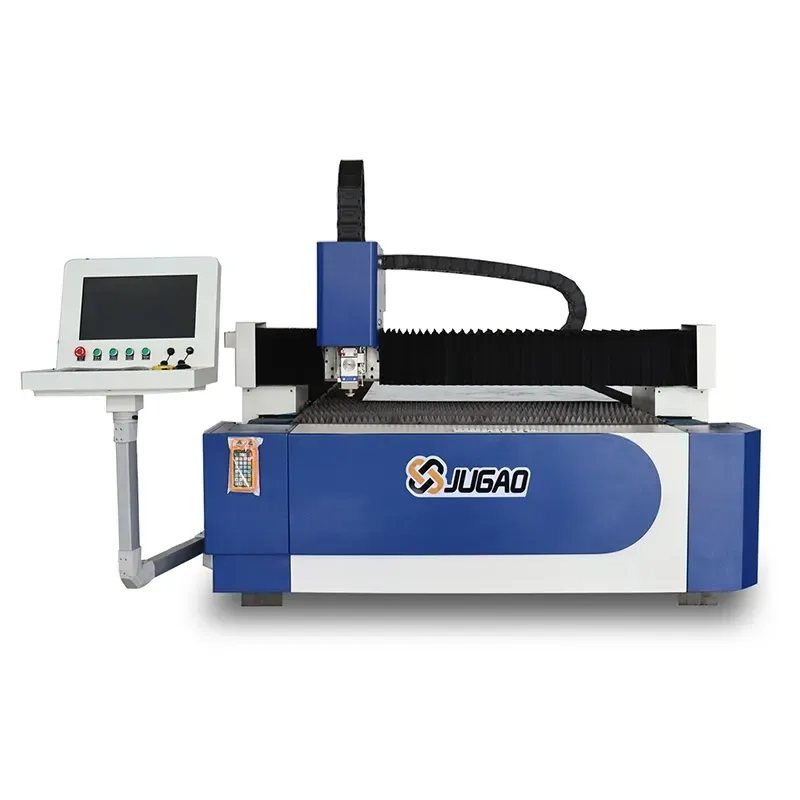
A well-maintained laser cutting machine depends not only on regular servicing, but also on accurate maintenance records. A clear service history gives operators and technicians a reliable way to understand what has been inspected, what has been adjusted, which components have been replaced, and when recurring problems first appeared.
For production teams, maintenance documentation is more than paperwork. Consistent records can make troubleshooting faster, support preventive maintenance decisions, reduce avoidable downtime, and help keep cutting performance stable over the working life of the equipment.
This guide presents a practical six-step method for building and managing laser maintenance logs, followed by several record-management practices that can make the system easier to use and maintain.
Why Laser Maintenance Logs Are Important
Improve Equipment Reliability
A complete maintenance history makes it easier to track component wear, lubrication, cleaning, inspections, and replacement cycles. When a problem begins to develop, technicians can refer to earlier records instead of relying only on memory.
Protect Cutting Accuracy
Laser cutting performance depends on regular inspection, calibration, adjustment, and servicing. Recording these activities creates a traceable maintenance history and helps ensure important procedures are carried out consistently.
Strengthen Safety and Traceability
Accurate records provide evidence that maintenance activities have been performed and that equipment issues have been addressed. They can also support internal quality procedures, safety management, audits, and other documentation requirements.
Step-by-Step Guide to Creating Effective Laser Maintenance Logs
Step 1: Divide Records into Clear Categories
Begin by separating maintenance information into practical categories so that technicians can quickly find the history they need.
A useful log structure can include:
· Routine inspection records
· Cleaning and lubrication activities
· Component replacement or adjustment
· Machine errors, abnormal conditions, and incident reports
Organizing records this way prevents unrelated information from being mixed together and makes later analysis much easier.
Step 2: Set a Fixed Recording Frequency
Maintenance logs should follow a defined schedule rather than being completed only when a problem occurs.
For normal operation, record basic machine checks on a daily basis and carry out more detailed maintenance documentation during weekly or monthly inspections. The exact frequency should be adjusted according to machine utilization and the maintenance requirements of the equipment.
Step 3: Record the Essential Information for Every Entry
Each maintenance entry should contain enough information for another technician to understand what happened without needing to ask the original operator.
At minimum, include:
· Date and time of the maintenance activity
· Name or identification of the operator or technician
· Specific maintenance task performed
· Abnormal conditions, errors, or observations
· Parts replaced, repaired, or adjusted
· Calibration or adjustment results when applicable
Detailed entries create a useful service history and provide valuable evidence when diagnosing repeated machine problems.
Step 4: Select a Logbook Format That Fits the Workflow
Maintenance records can be managed electronically or on paper. Digital systems make searching, filtering, data analysis, backup, and information sharing easier, especially when multiple machines or maintenance personnel are involved.
Paper forms can still be practical for quick records directly beside the machine, particularly in environments where technicians need to document an inspection immediately.
Choose the format that fits the production workflow, but keep the required information consistent regardless of the recording method.
Step 5: Review Records and Look for Patterns
A maintenance log becomes much more valuable when the information is reviewed instead of simply stored.
Check the records periodically for repeated alarms, frequently replaced parts, recurring lubrication issues, calibration deviations, or other patterns. If the same problem appears repeatedly, consider adjusting the inspection interval, maintenance procedure, or operating practice before the issue develops into an unexpected failure.
Step 6: Train Operators and Maintenance Personnel
A logging system is only reliable when the people using it understand how to complete records correctly.
Train operators and technicians to record information accurately, use consistent terminology, describe abnormalities clearly, and complete entries promptly after maintenance work. Consistent documentation improves the quality of the machine history and makes troubleshooting and preventive-maintenance planning more efficient.
Best Practices for Managing Laser Maintenance Records
Use One Standard Template
Create a common format for all maintenance entries. Important fields can include the maintenance date, technician, machine status, work completed, inspection findings, parts changed, calibration information, and recommended follow-up actions. A standardized template makes records easier to compare and review.
Protect and Back Up Maintenance Data
Store maintenance records securely and establish a regular backup process. Good record protection reduces the risk of losing service history and keeps important machine information available for troubleshooting, audits, and future maintenance planning.
Connect Records with Maintenance Software
Where a computerized maintenance management system (CMMS) is available, maintenance logs can be connected to the software to support scheduled reminders, service alerts, reporting, and centralized record management. This can reduce manual tracking work and improve visibility across the maintenance process.
FAQs
How often should laser maintenance logs be updated?
Routine operating checks should generally be documented daily, while more detailed maintenance records can be completed weekly or monthly depending on machine usage and the applicable maintenance schedule.
What information is most important to record?
The core information includes the date and time, responsible operator or technician, work performed, abnormal findings, parts replaced or adjusted, and any calibration or adjustment results.
Can digital records completely replace paper logs?
They can, provided the digital system fits the production workflow and required information can be captured reliably. Digital records offer advantages for searching, analysis, sharing, and backup, while paper forms can remain useful for immediate on-site reference.
Conclusion
Effective laser maintenance documentation provides a practical foundation for reliable equipment management. When inspections, cleaning, lubrication, repairs, adjustments, and component replacements are recorded consistently, operators gain a clearer picture of machine condition and maintenance history.
By organizing records into defined categories, setting a regular recording schedule, capturing essential data, choosing a suitable logbook format, reviewing historical information, and training personnel, production teams can identify recurring issues earlier and make preventive maintenance more systematic.
Standardized templates, secure backups, and maintenance-management software can further improve the usefulness of the records. A well-maintained service history not only supports troubleshooting but also helps protect cutting performance, reduce unplanned downtime, and improve the long-term management of laser equipment.
For guidance on establishing a practical laser maintenance documentation system or improving your machine maintenance workflow, the JUGAO team can provide professional technical support and solutions for your production needs.
Contact Us