
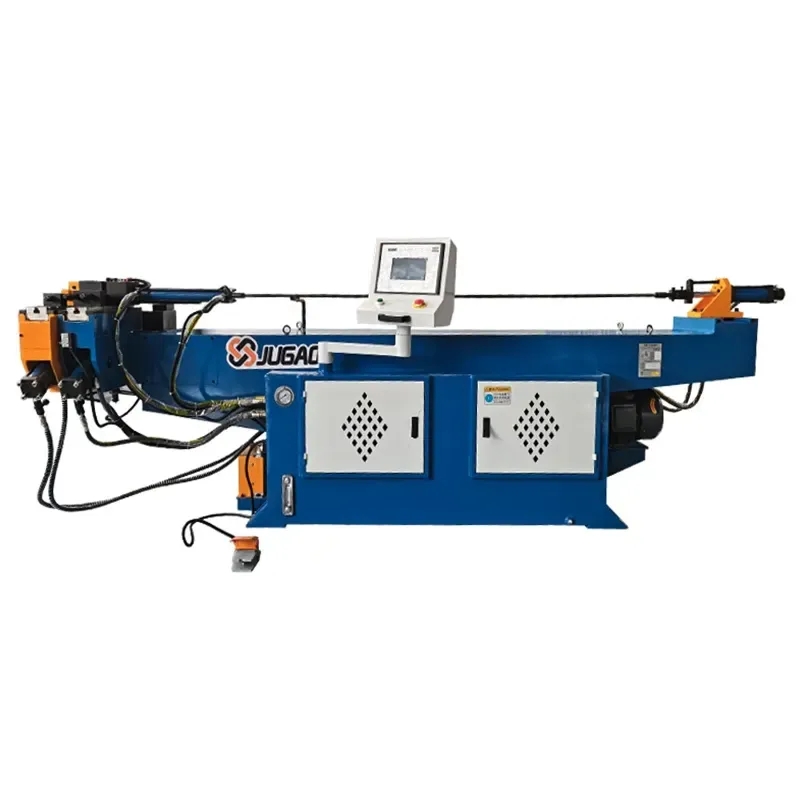
How to properly troubleshoot excessive noise from a pipe bending machine?
2026-07-11

If a pipe bending machine suddenly starts making loud noises, it's definitely telling you something's wrong. It could be the wrong oil, something loose, or a part worn to its limit. Nine times out of ten, the noise problems I've dealt with in the workshop fall into these categories.
First, identify the type of noise; this will guide you in the right direction.
Different noises indicate completely different problems. A continuous, high-frequency screeching sound is most likely due to insufficient lubrication and dry grinding; intermittent impact sounds are probably caused by something being loose or having increased gaps; a muffled humming sound is most likely related to the hydraulic system. Spending half a minute listening to the characteristics of the sound is much more efficient than blindly disassembling parts.
Mechanical Parts: High-Profile Noise Area
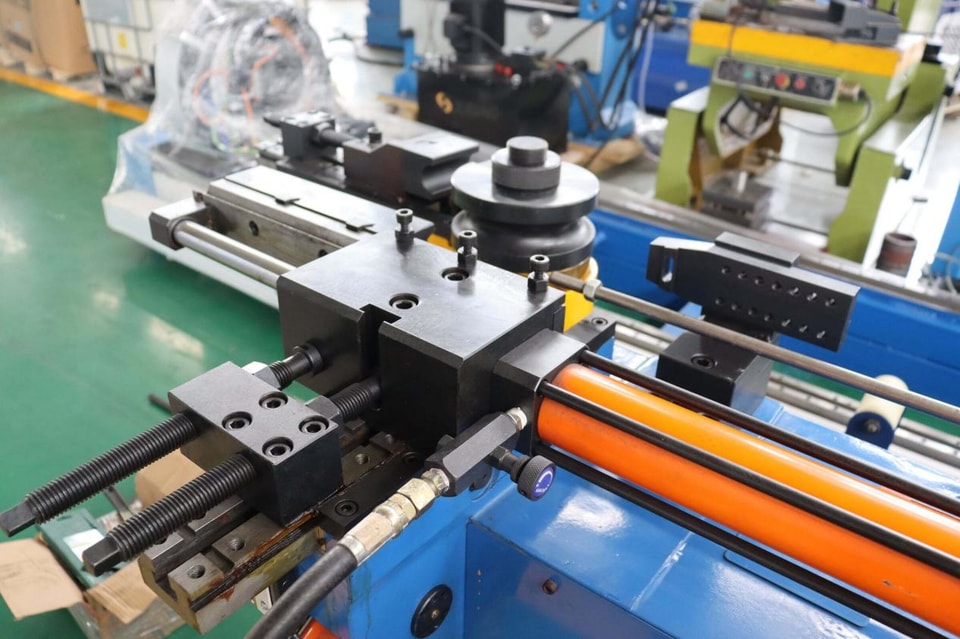
Friction noise is the most common. Parts that require frequent movement, such as guide rails, bending arm shafts, and mandrel supports, will produce a metallic friction sound if lubrication is inadequate. I usually open the protective cover and touch the surface of the guide rail (after the machine has stopped)—if it's dry or you feel fine metallic powder, it's basically due to insufficient lubrication or deteriorated lubricating oil.
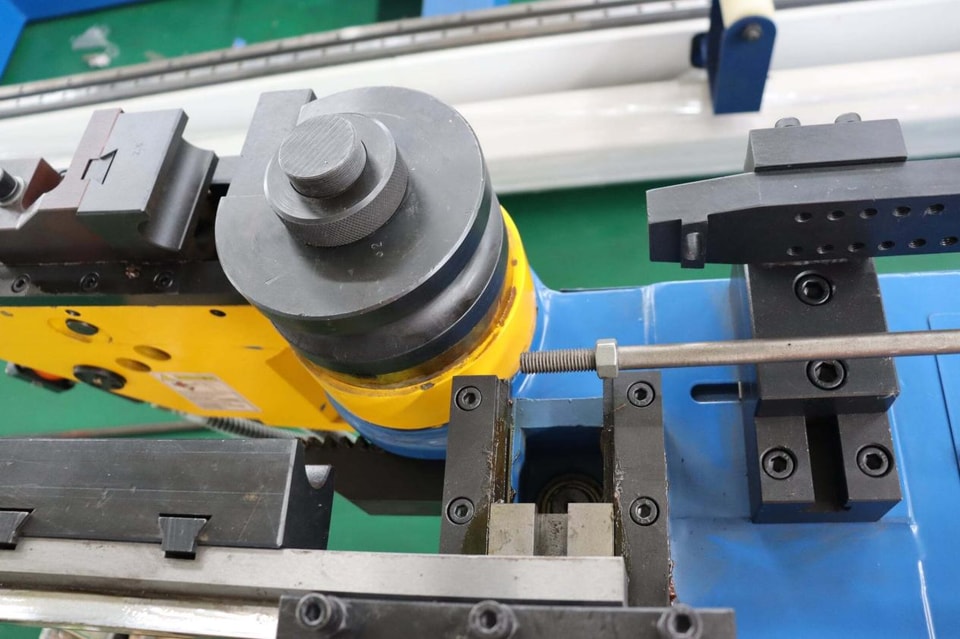
Another possibility is a problem with the mold. Components that directly contact the tubing, such as bending dies, anti-wrinkle dies, and mandrels, will produce a "clunking" sound when bending if they are worn or misaligned. You can run the machine empty once without the pipe installed. If the noise disappears, then the problem lies in the fit between the mold and the pipe.
Hydraulic System: The Source of Low-Frequency Noise
A humming or roaring sound from the hydraulic system most likely indicates air in the oil lines. This noise can be caused by incomplete air purging after oil changes or line repairs, or by the pump drawing air in when the oil level is too low. The easiest solution is to switch the machine to manual mode and let each axis run slowly for several cycles to purge the air from the lines.
The oil itself is also a common issue. Dirty oil, emulsified and whitened oil, or using the wrong brand of oil can cause the pump to emit a sharp, cavitation-like noise. Check the oil level and quality in the tank; if the oil has an unusual odor or feels stiff, change it immediately.
A sharp squealing sound from worn pump and motor bearings requires special attention. Feel the pump housing temperature with the back of your hand; if it's hotter than usual, or if you hear a continuous sharp sound, the bearings are likely severely worn.
Electrical components cannot be completely ruled out.
Incorrect servo motor tuning parameters can produce low-frequency oscillations, sounding like the machine "shaking." If control parameters have been recently changed, first check if the servo tuning value exceeds the recommended range. A broken bearing in the cooling fan in the distribution cabinet or loose relay mounting screws can also cause continuous low-frequency vibrations.
Recommended Troubleshooting Order
Don't immediately disassemble the pump. Start with the simplest parts: First, check for dry friction at each lubrication point → Check if the hydraulic oil level and quality are normal → Check if the mandrel and mold are properly installed and for any obvious wear → Check for any loose bolts → Finally, consider problems with the hydraulic pump and servo system.
Prioritize the most easily overlooked areas—mold wear and insufficient lubrication account for the majority of noise problems I've dealt with, followed by the hydraulic system, and then the electrical components.
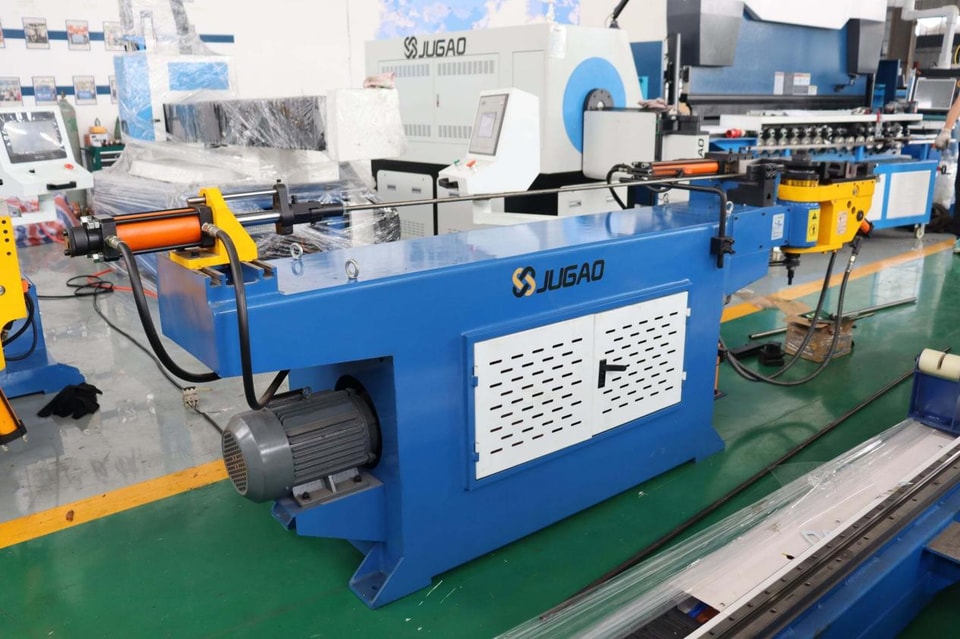
Developing certain daily habits can also help. Before starting the machine each day, check the hydraulic oil level and listen for any abnormal sounds after the pump starts. Monthly, regularly check the mold wear and clean the oil stains from the guide rails, lead screws, and bending arm shafts, and re-lubricate them. Perform a comprehensive maintenance check annually, replacing the hydraulic oil and filter elements, and retightening the bolts in key areas to the correct torque. Early detection and treatment of noise problems significantly reduce costs. Small problems can develop into major malfunctions, leading to higher costs for replacing pumps and bearings. What has been the most challenging noise problem you've encountered in actual production?
Contact Us