
How to Prevent Rust in Laser Machines Effectively
2026-09-01

Corrosion is an often-overlooked maintenance issue in laser cutting equipment. Machine frames, guide rails, screws, linkages, and other metal components operate in an environment where moisture, dust, heat, and production residue can gradually attack exposed surfaces. If corrosion is allowed to develop, it may affect mechanical movement, positioning accuracy, equipment reliability, and maintenance costs.
Rust prevention is therefore not simply a cosmetic concern. A consistent maintenance routine can protect precision components, reduce unexpected downtime, and help a laser cutting machine maintain stable performance throughout its service life.
This guide explains the main conditions that lead to corrosion and follows a practical six-step maintenance sequence: control the operating environment, remove contamination, protect exposed metal, lubricate moving components, inspect worn parts, and monitor water-cooling systems.
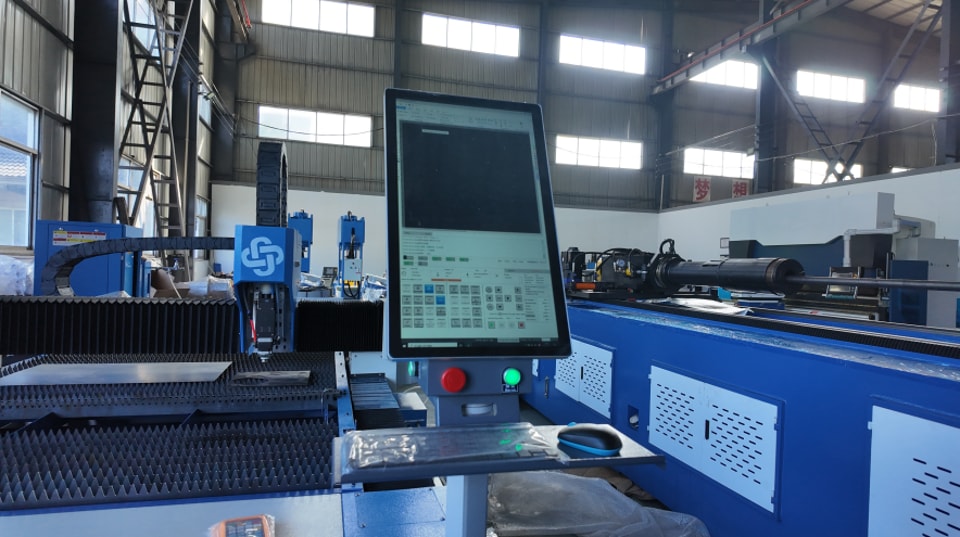
Understanding Why Rust Develops in Laser Machines
Moisture, Humidity, and Condensation
Water is one of the primary drivers of metal corrosion. High workshop humidity, condensation caused by temperature changes, or moisture around water-cooled equipment can leave a thin film of water on exposed surfaces. Over time, this creates favorable conditions for oxidation, especially on unprotected steel parts.
Dust, Metal Particles, and Cutting Residue
Laser processing generates fine metal dust, slag, smoke residue, and other particles. When these materials remain on rails, screws, housings, or other metal surfaces, they can hold moisture against the material and accelerate corrosion.
Insufficient Lubrication and Preventive Care
Moving mechanisms require appropriate lubrication and routine inspection. When lubricant becomes insufficient or protective films deteriorate, guide rails, lead screws, bearings, and mechanical linkages become more exposed to moisture, friction, and oxidation.
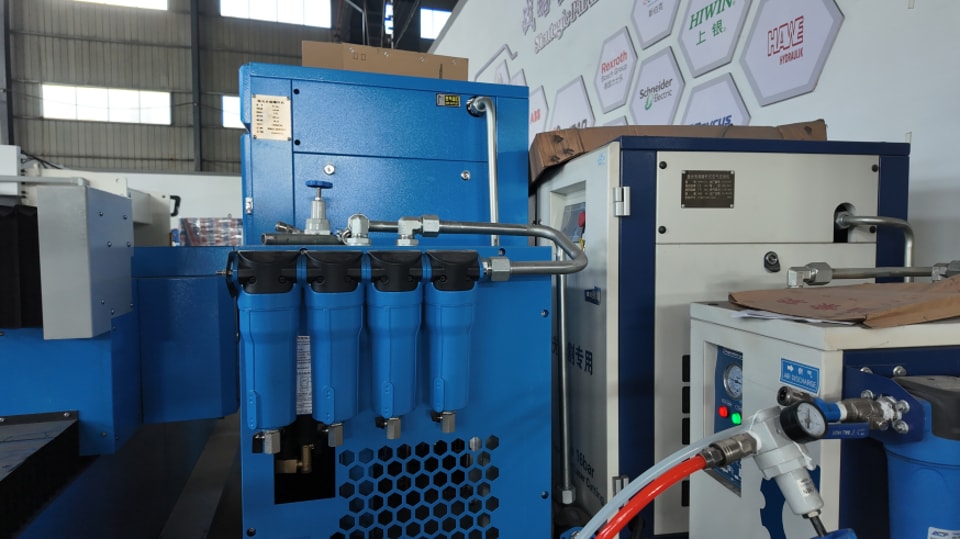
Step-by-Step Guide to Prevent Rust in a Laser Machine
Step 1: Control Temperature and Humidity
Start by creating a stable environment for the machine. Keep the workshop temperature and humidity within the operating conditions recommended for the equipment.
Stable environmental conditions help reduce condensation, particularly when the machine or nearby components experience significant temperature changes. Areas surrounding cooling equipment deserve additional attention because moisture can accumulate there more easily.
Step 2: Clean Machine Surfaces on a Routine Basis
Remove dust, metal particles, and processing residue from the machine regularly. For intensive production, cleaning should be carried out daily or at the end of each shift.
Use a dry, non-abrasive cloth, suitable compressed air, or an equipment-approved cleaning method to clear contamination from rails, screws, housings, and other exposed areas. Keeping surfaces clean prevents debris from trapping moisture against the metal.
Step 3: Protect Exposed Metal with Suitable Coatings
Apply an appropriate anti-corrosion oil, protective spray, or lubricant to exposed metal surfaces when recommended by the machine manufacturer.
Pay particular attention to guide rails, lead screws, tooling areas, and other components that are exposed to the workshop atmosphere. A thin protective layer helps isolate the metal from humidity and reduces the chance of oxidation.
Step 4: Lubricate Moving Components Correctly
Lubrication should be part of the machine's regular maintenance cycle. Apply the specified lubricant to sliding mechanisms, gears, bearings, rails, and other designated moving parts.
Proper lubrication reduces friction and mechanical wear while providing an additional barrier against moisture. Avoid over-lubrication and always follow the recommended lubricant type and application quantity.
Step 5: Check for Corrosion and Replace Damaged Parts
Inspect rails, screws, linkages, and other vulnerable components for discoloration, surface oxidation, pitting, abnormal wear, or other signs of deterioration.
When a component is significantly corroded or damaged, repair or replacement should be carried out promptly. Early intervention prevents corrosion from affecting machine movement, positioning, or adjacent components.
Step 6: Check Water-Cooling Circuits and Water Condition
Water-cooled laser systems require particular attention because leaks, condensation, or poor water quality can introduce additional corrosion risks.
Inspect hoses, fittings, joints, and circulation lines for leakage. Maintain cooling water according to the equipment manufacturer's requirements and prevent contamination or deposits from building up inside the system.
Best Practices for Long-Term Rust Protection
Create a Documented Maintenance Plan
Divide maintenance into daily, weekly, and monthly tasks covering cleaning, lubrication, corrosion inspection, and cooling-system checks. Recording completed work helps ensure that important maintenance is not skipped.
Protect the Machine During Extended Downtime
When the equipment will remain unused for an extended period, use a suitable protective cover to reduce exposure to dust and workshop humidity. Make sure the machine is dry before covering it so that moisture is not trapped against metal surfaces.
Train Operators and Maintenance Personnel
Everyone responsible for operating or servicing the laser machine should understand basic corrosion-prevention procedures. Consistent cleaning, correct lubrication, proper storage, and early reporting of rust help prevent small issues from becoming expensive mechanical problems.
FAQs
How often should a laser machine be cleaned and lubricated?
The source recommends cleaning for dust removal on a daily basis and lubricating moving components at least weekly, unless the machine manufacturer's maintenance schedule specifies otherwise. Machines working in dusty or intensive production environments may require more frequent attention.
Can rust reduce laser cutting accuracy?
Yes. Corrosion on guide rails, screws, or mechanical linkages can interfere with smooth motion and positioning. Even limited surface deterioration can eventually contribute to positioning errors and inconsistent cutting results.
Which laser machine materials are most susceptible to rust?
Steel components generally require the most attention because they are more susceptible to corrosion. Aluminum and coated surfaces usually offer greater resistance, but exposed metal components of any material still benefit from appropriate cleaning, inspection, and protective maintenance.
Conclusion
Rust prevention is an essential part of maintaining the precision, reliability, and service life of laser cutting equipment.
Controlling humidity and temperature, removing dust and production residue, applying suitable protective coatings, lubricating moving parts, checking vulnerable components, and monitoring water-cooling systems provide a practical foundation for corrosion control.
The key is consistency. A documented maintenance schedule, proper protection during machine downtime, and well-trained operators can significantly reduce corrosion-related failures, avoid unnecessary maintenance costs, and help maintain stable cutting performance.
For additional guidance on laser cutting machine maintenance, corrosion prevention, troubleshooting, or equipment selection, the JUGAO team can provide professional technical support and practical solutions for your production requirements.
Contact Us