


How to Repair Hydraulic Oil Leaks in Pipe Bending Machines? Don't Rush to Replace Parts, Check Following These Steps
2026-05-18

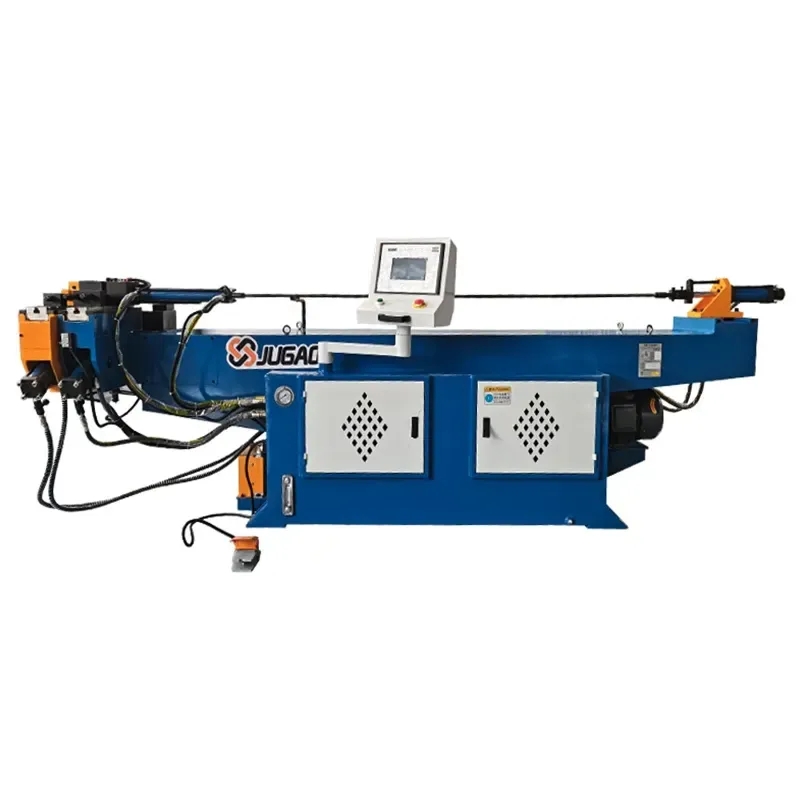
Hydraulic oil leaks are one of the most common malfunctions of pipe bending machines. Leaks not only waste resources and pollute the environment, but also cause a drop in system pressure, resulting in weak bending and inaccurate angles. The following troubleshooting and repair process can help you quickly find and resolve the leak.
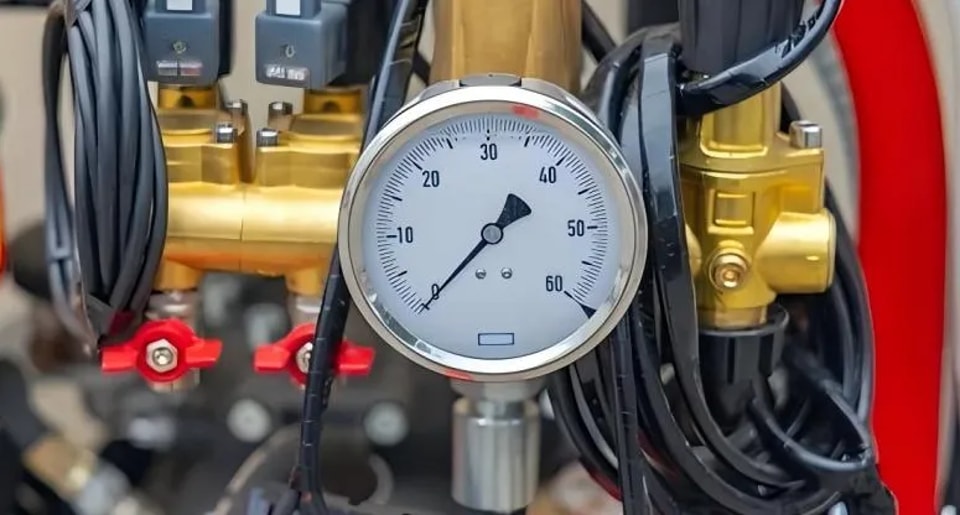
Step 1: First, determine if it's an external or internal leak.
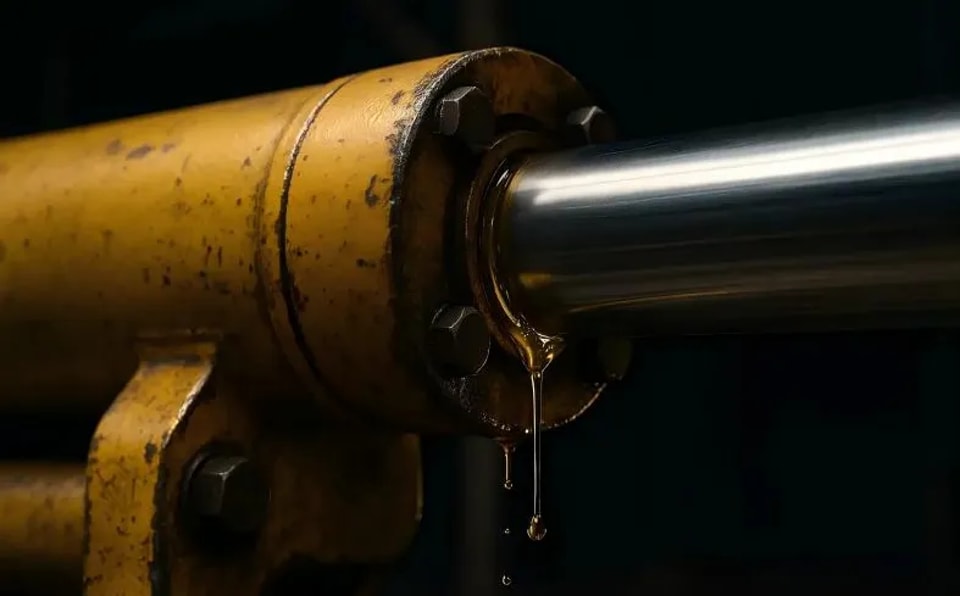
External leak: Oil drips onto the ground or pipe walls, visible to the naked eye. Prioritize checking joints, cylinder piston rod, pump shaft oil seal, and damaged pipelines.
Internal leak: Pressure doesn't build up, the cylinder slides down on its own, and movement slows down, but oil isn't visible externally. This is mostly due to aging seals or worn valve cores.
Step 2: Quick repair of external leaks
① Oil seepage from pipe joints
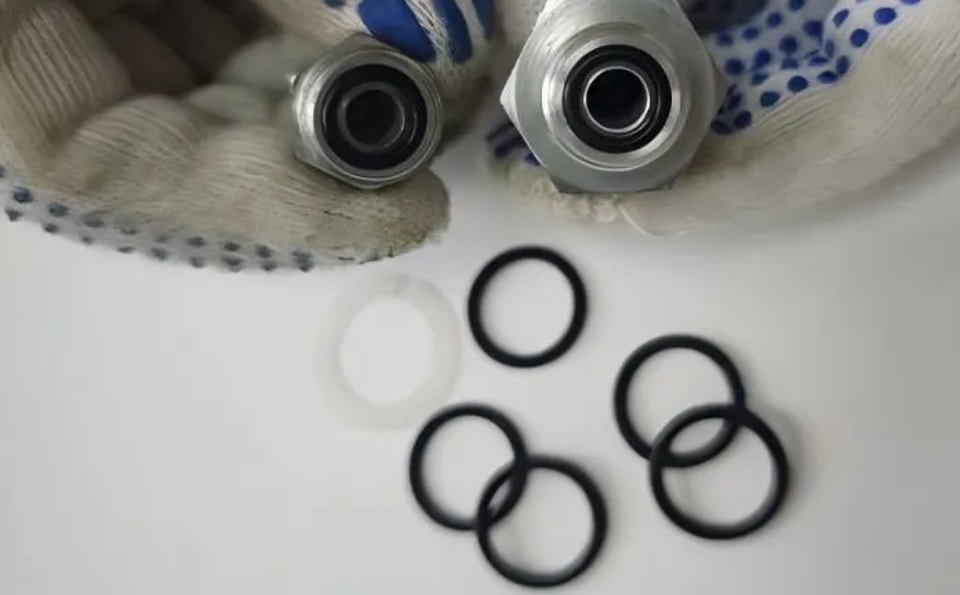
Use a wrench to retighten to the specified torque. If the leak persists, disassemble and inspect the ferrule or O-ring; replace any damaged ones.
Apply a little hydraulic oil when installing O-rings to avoid cutting the seal during tightening.
② Oil on cylinder piston rod
Oil droplets on the piston rod surface indicate wear on the dust seal or piston rod seal. Replace the sealing assembly (note the installation direction; the lip should face the pressure side).
Also, check the piston rod for scratches or rust. Minor scratches can be polished with fine sandpaper; severe scratches require replacement of the piston rod.
③ High-Pressure Hoses Bulging or Leaking
If the outer layer of the hose is cracked or there is oil leakage at the joint, replace it with a hose of the same specification. Do not repair with tape or glue, as this will cause the hose to burst under high pressure.
When replacing, ensure the hose bending radius is not too small (≥ 6-8 times the outer diameter) to avoid twisting.
④ Pump Shaft Oil Seal Leaking
Oil leakage from the pump shaft end is usually due to an aging oil seal or poor oil return from the pump casing. First check if the return oil pipe is blocked, then remove and replace the oil seal.
⑤ Oil Tank or Cooler Leaking
Cracked welds in the oil tank: Drain the oil, repair the weld, and perform a pressure test.
Internal damage to the cooler: If there is water emulsification in the oil, replace the cooler directly.
Step 3: Troubleshooting and Repairing Internal Leaks
① Hydraulic Cylinder Internal Leakage (Piston Seal Failure)
Symptom: The hydraulic cylinder fails to maintain pressure after reaching its designated position and retracts on its own. Disassemble the cylinder, replace the piston seal ring, and check the cylinder wall for scoring.
② Directional Control Valve Internal Leakage
Weared valve core or scored valve body, high-pressure oil leaks directly from port P to port T. Clean the valve core; if the valve body is severely worn, replace the entire directional control valve.
③ Relief Valve Pressure Insufficient
The valve core is stuck in the open position or the sealing cone surface is worn. Disassemble and clean, inspect the valve seat contact surface, and replace the relief valve if necessary.
Step 4: Preventing Recurring Leaks
Oil Cleaning: Hydraulic oil contamination accelerates seal wear. Regularly replace the filter element to maintain oil cleanliness (NAS 9 or higher).
Oil Temperature Control: If the oil temperature is consistently above 55℃, the seals will harden and age rapidly. Install a cooler or cooling fan to control the oil temperature between 35-50℃.
Tightening Torque: Pipe fittings should not be tightened too much; overtightening can damage the sealing surface. Use a torque wrench and tighten according to the instruction manual.
Regular Hoses Replacement: High-pressure hoses should be replaced proactively every 2-3 years; do not wait until the hose bursts.
The key to repairing oil leaks is to "accurately locate the leak, replace the correct seal, and control the oil temperature and quality." For external leaks, check the joints, cylinders, and hoses; for internal leaks, check the seals and valve cores. By checking in this order, most leaks can be fixed by yourself.
Contact Us