


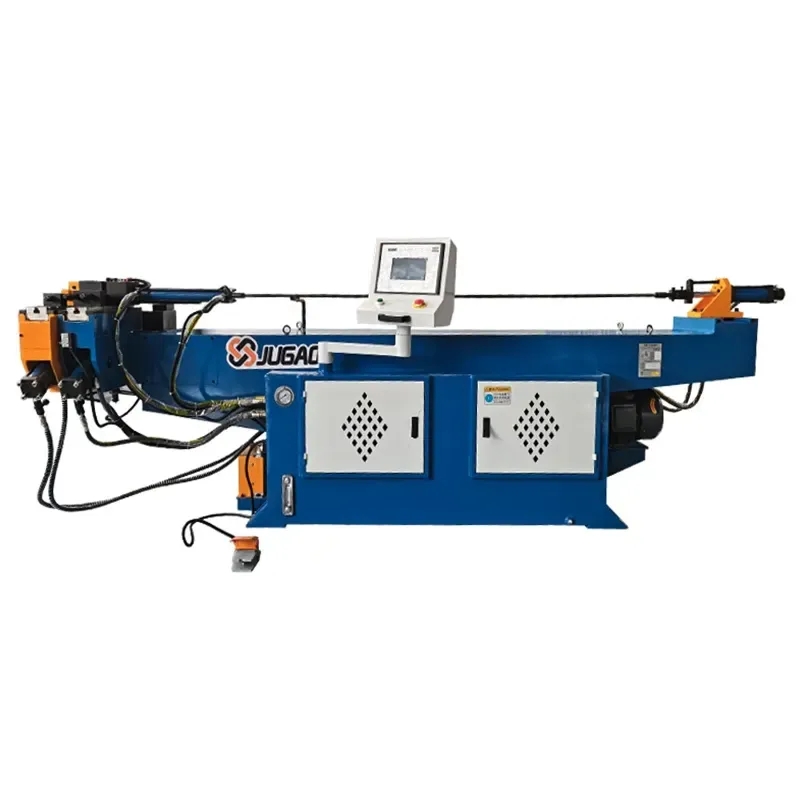
How to diagnose and resolve pipe bending machine downtime issues?
2026-04-30

If your pipe bending machine suddenly stops, the production line may be shut down for half a day. Don't rush to call for repairs. Follow these steps for quick troubleshooting, and you can resolve most problems yourself.
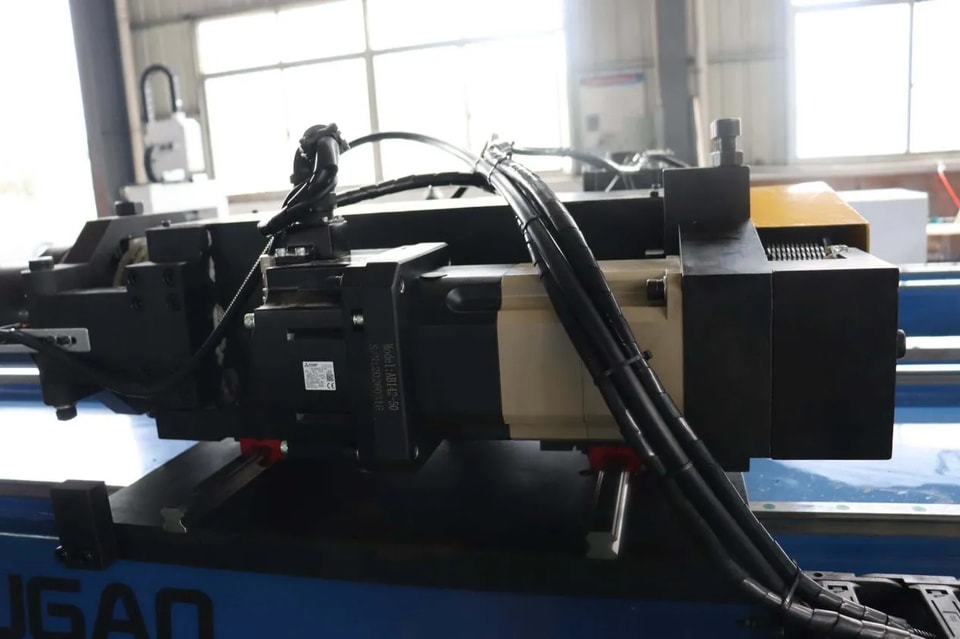
Step 1: Check Alarm Information, Don't Guess
CNC systems all have alarm codes or prompts. First, take a picture of the error message on the screen and check its meaning against the instruction manual. Common ones include:
Overload Alarm → Motor or drive overload
Limit Switch Triggered → Moving parts have reached their limit
Insufficient Pressure → Hydraulic system problem
Communication Failure → Loose wiring or interference
Step 2: Check the Three Basic Components
1.Power Supply: Check if the main switch has tripped, if the fuse is blown, and if any phase is missing. If the motor hums but doesn't turn, it's likely a phase is missing.
2.Emergency Stop Button: Check if it has been accidentally pressed. Many machine shutdowns occur when an emergency stop is triggered during cleaning.
3.Hydraulic Oil Level: If the oil level is not visible on the oil window, the oil pump may be sucking in air, preventing the system pressure from building up and causing the equipment to automatically shut down for protection.
Step 3: Differentiate between electrical and mechanical problems
Electrical symptoms: Black screen, unresponsive buttons, flashing alarm lights → Check power module, PLC output, and sensor signals.
Mechanical symptoms: Motor runs but bending arm doesn't move, weak clamping, feeding jams → Check couplings, belts, hydraulic valves, and cylinders.
A simple test: After shutting down, manually rotate the bending arm or feed screw. If it cannot be rotated or is very stuck, the mechanical part is jammed; if it can be rotated easily, the problem is electrical or hydraulic.
Step 4: Common Shutdown Causes and Quick Solutions
Starts and stops immediately → Emergency stop or safety door switch not reset → Check and reset
Sudden stop during operation → Motor overload, thermal relay tripped → Reset, check for jamming or overload
Bend arm does not rotate after clamping → Insufficient bending pressure → Increase overflow valve pressure or check oil pump
Feeding stops midway → Foreign object on guide rail → Clean guide rail, repair protective cover
System has power but no operation → PLC output point or relay faulty → Measure voltage, replace faulty component
Step 5: A Complete Solution for Frequent and Long-Term Downtime
If the equipment consistently stops every few days, don't just reset it. Record the operating conditions of each stop (which section was bent, what material was used, what speed), and identify the pattern. Common causes:
Poor heat dissipation causing thermal relay malfunction → Clean the air ducts and install a cooling fan
Dirty hydraulic oil clogging the filter element → Change the oil and filter element
Loose sensor position → Re-secure and calibrate
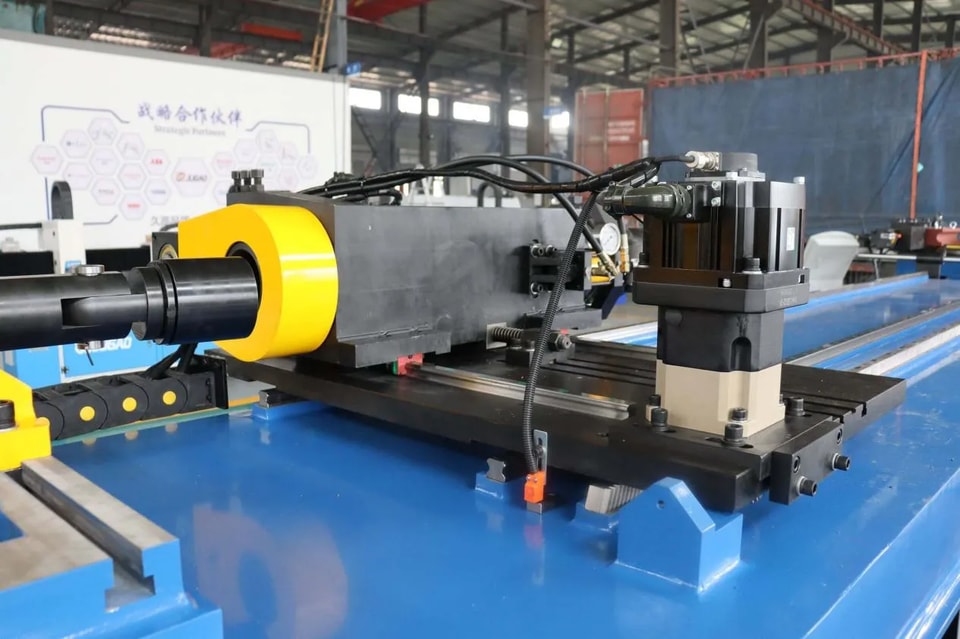
When diagnosing a shutdown, start with alarm messages, power supply, emergency stop, and oil level, then narrow down the possibilities by checking electrical issues first, followed by mechanical ones. Most shutdowns can be resolved within 30 minutes. Don't start by disassembling parts; that just makes things worse.
Contact Us