
Factors affecting laser cutting speed and efficiency
2025-12-03

In modern sheet metal fabrication, laser technology offers unparalleled precision and cutting speed when shaping a wide variety of materials. As the industry continues to embrace the versatility of laser cutting technology, optimizing speed and efficiency becomes increasingly important. From raw material to final product, the laser cutting process involves a complex interplay of factors. A full understanding of the key factors influencing laser cutting speed and efficiency is crucial, ranging from the inherent properties of the material to the complex configuration of the cutting machine.
In this article, we comprehensively explore the key factors influencing laser cutting speed and efficiency, explaining the complexities of material properties, laser parameters, cutting conditions, machine configuration, and design considerations. This exploration provides users with valuable insights, enabling them to fully leverage the potential of laser cutting technology and drive innovation in metal fabrication processes.
Laser Cutting Speed and Efficiency
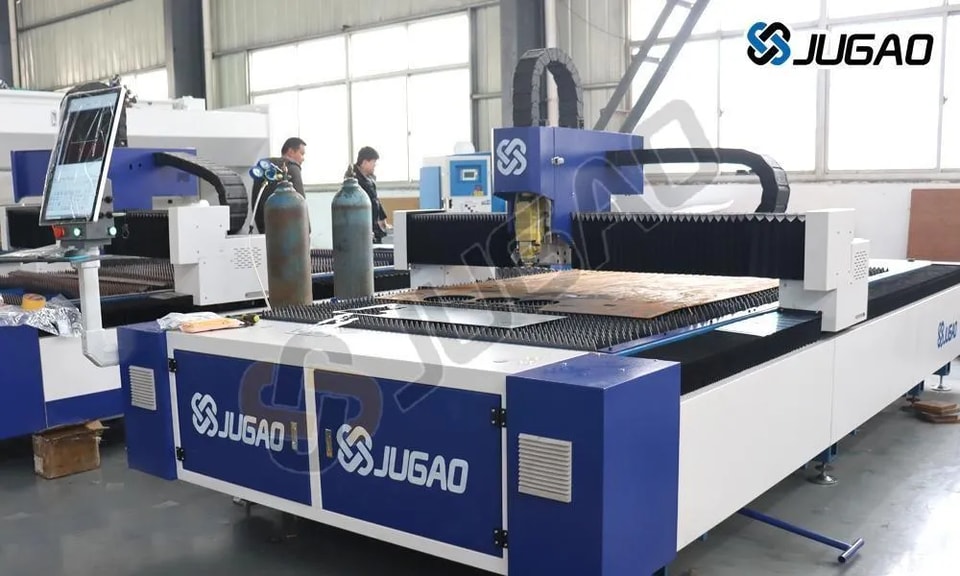
The cutting speed of a laser cutting machine is a concern for many processing companies because it determines production efficiency. In other words, the faster the speed, the higher the overall output. Laser cutting is a complex manufacturing technology that relies on a delicate balance of factors to achieve optimal speed and efficiency. Material properties, such as composition, thickness, and surface condition, all influence cutting parameters. Laser parameters, including power density, beam quality, and focal length, determine the precision and effectiveness of the cut. The selection of cutting conditions, such as speed and assist gas, plays a crucial role in improving cutting efficiency. Machine factors, such as system configuration and maintenance, significantly contribute to overall performance. Furthermore, design considerations such as geometric complexity and nesting optimization also influence cutting speed and efficiency. By fully understanding and optimizing these factors, manufacturers can improve the speed, precision, and efficiency of the laser cutting process, thereby enhancing productivity and competitiveness.
The main factors affecting laser cutting speed
Advanced cutting technology has driven the rapid development of the laser cutting industry, significantly improving the cutting quality and stability of laser cutting machines. During the processing, the laser cutting speed is influenced by factors such as process parameters, material quality, gas purity, and beam quality. In-depth research into the complexity of this changing process reveals the comprehensive considerations that users must carefully address. Here, we explore the main factors that significantly affect laser cutting speed and efficiency.
Laser Parameters
l Power Density: Laser power density is determined by the power of the laser beam focused on a given area, which directly affects cutting speed and efficiency. Higher power density allows for faster cutting speeds but requires careful calibration to prevent material damage.
l Beam Quality: The quality of the laser beam, including factors such as divergence, pattern, and wavelength, affects cutting accuracy and efficiency. A high-quality beam ensures uniform energy distribution, resulting in cleaner cuts and greater efficiency.
l Focal Length: The focal length of the laser lens determines the size and depth of the beam spot. Optimal focus selection ensures precise energy delivery to the cutting surface, maximizing efficiency without compromising quality.
Material Characteristics
l Material Type: The type of material being cut plays a significant role in determining the speed and efficiency of laser cutting. Soft materials are relatively easy to laser cut and cut relatively quickly. Hard materials require longer processing times. Metals such as stainless steel, aluminum, and carbon steel have different thermal conductivities, melting points, and reflectivities, all of which affect their response to laser cutting. For example, cutting steel is much slower than cutting aluminum.
l Thickness: Material thickness directly affects cutting speed and efficiency. Thicker materials require more energy and time to cut than thinner materials. To achieve optimal results at different thicknesses, laser power, focal length, and cutting speed need to be adjusted.
l Surface Condition: Surface irregularities (such as rust, oxidation, or coatings) can affect the quality and speed of laser cutting. For efficient cutting, the material surface may need to be prepared through cleaning or surface treatment.
Laser Cutting Machine Factors
l Laser System Configuration: The design and functionality of the laser cutting machine, including the beam delivery system, motion control, and automation features, can impact cutting speed and efficiency. Advances in modern laser technology have increased processing speed and precision.
l Maintenance and Calibration: Regular maintenance, calibration, and alignment of laser cutting equipment help ensure stable performance and extend machine life. Neglecting maintenance can lead to reduced cutting efficiency, increased downtime, and costly repairs.
Cutting Conditions
l Cutting Speed: The speed at which the laser beam travels across the material surface significantly impacts cutting efficiency. Finding the right balance between cutting speed and power helps achieve the desired results and minimizes processing time.
l Assist Gas Selection: Assist gases such as oxygen, nitrogen, or compressed air aid in material removal and cooling during the laser cutting process. The choice of assist gas depends on the material type, thickness, and desired edge quality. The higher the assist gas pressure, the higher the gas purity, the less impurities adhere to the material, and the smoother the cut edge. Generally speaking, oxygen cuts faster, while nitrogen cuts better and is less expensive. Different gases offer varying degrees of cutting efficiency and cleanliness.
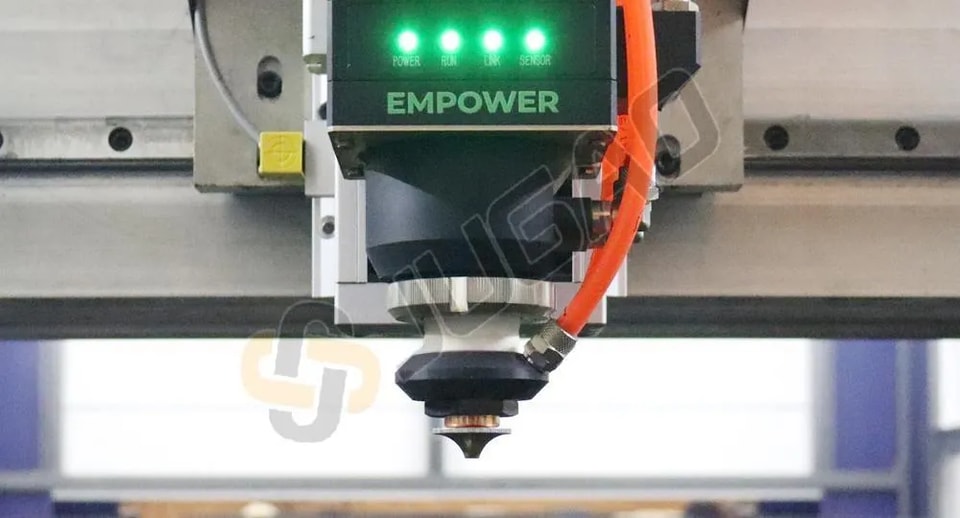
l Nozzle Design and Alignment: Proper nozzle design and alignment helps direct the secondary gas flow and maintain an optimal standoff distance. Improper alignment or nozzle wear can lead to reduced cutting efficiency and quality.
Cutting Conditions
l Cutting Speed: The speed at which the laser beam travels across the material surface significantly impacts cutting efficiency. Finding the right balance between cutting speed and power helps achieve the desired results and minimizes processing time.
l Assist Gas Selection: Assist gases such as oxygen, nitrogen, or compressed air aid in material removal and cooling during the laser cutting process. The choice of assist gas depends on the material type, thickness, and desired edge quality. The higher the assist gas pressure, the higher the gas purity, which reduces impurities adhering to the material and produces a smoother cut edge. Generally speaking, oxygen cuts faster, while nitrogen cuts better and is less expensive. Different gases offer varying degrees of cutting efficiency and cleanliness.
l Nozzle Design and Alignment: Proper nozzle design and alignment help direct the secondary gas flow and maintain an optimal standoff distance. Improper alignment or nozzle wear can lead to reduced cutting efficiency and quality.
Environmental Factors
l Temperature and Humidity: Ambient temperature and humidity levels can affect laser cutting performance. Extreme temperatures or high humidity can cause material deformation or interfere with laser beam propagation, affecting cutting speed and quality.
l Air Quality: Airborne contaminants, such as dust or particles, can interfere with laser cutting operations. Maintaining clean air in the cutting environment helps prevent nozzle clogging and ensures consistent cutting efficiency.
Design Considerations
l Geometric Complexity: Complex designs with sharp corners, small features, or tight tolerances may require lower cutting speeds to maintain accuracy and edge quality. Advanced CAD software can optimize cutting paths for complex geometries, improving overall efficiency.
l Nesting Optimization: By effectively utilizing material using nesting optimization software, you can minimize material waste, reduce cutting time, and ultimately improve overall process efficiency. Nesting algorithms arrange parts in the most space-efficient manner, maximizing material utilization.
l Edge Finish Requirements: Edge quality requirements (whether smooth, rough, or burr-free) influence cutting parameters and speeds. Adjustments may be required to meet specific surface finish standards to ensure the final product meets quality standards.
l In the complex process of laser cutting, manufacturers must carefully consider and balance these factors to realize the full potential of this advanced technology. A detailed understanding of material interactions, laser dynamics, cutting conditions, machine configuration, environmental impacts, and design complexity can help achieve optimal laser cutting speed and efficiency in modern manufacturing.
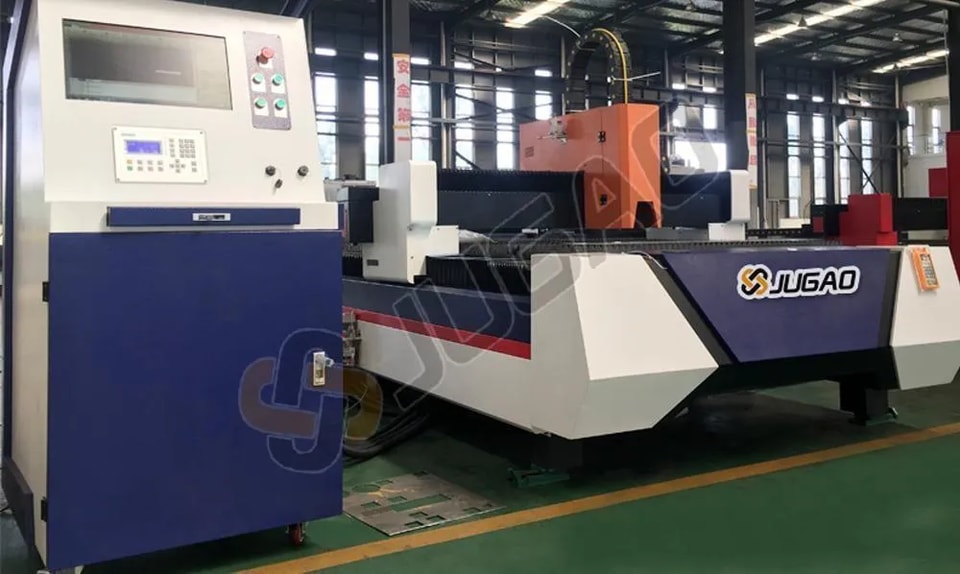
How to Increase Laser Cutting Speed
1. Select the Right Material
Choosing materials that are easier to cut can improve cutting efficiency.
2. Properly Adjust Laser Power
Adjusting laser power significantly affects laser cutting speed. Therefore, it's important to adjust laser power appropriately for different materials and thicknesses to increase cutting speed.
3. Use a High-Quality Laser
Laser quality also significantly affects laser cutting speed. Using a higher-quality laser can improve cutting efficiency and reduce cutting time.
4. Maintain Equipment
Regularly maintaining and servicing your laser cutting machine to keep it in optimal working condition will help improve cutting speed and efficiency.
Relationship between Laser Power, Material Condition, and Laser Cutting Speed
Previously, we've discussed the factors that influence laser cutting speed, including material properties and laser source power. Below, we use a chart to illustrate the maximum cutting thickness and corresponding cutting speed for Raycus 1000W-15000W fiber lasers and IPG 1000W-12000W fiber lasers.
Raycus Cutting Speed - Carbon Steel
Fiber Laser Cutting Thickness and Speed Parameters (Raycus/Carbon Steel/1000W-4000W)
Material | Laser power | 1000W | 1500W | 2000 Watts | 3000W | 4000W |
Thickness | Speed | Speed | Speed | Speed | Speed | |
(mm) | (m/min) | (m/min) | (m/min) | (m/min) | (m/min) | |
Carbon steel (O2/N2/Air) | 1 | 5.5/10 | 6.7/20 | 7.3/25 | 10/35 | 28-35 |
2 | 4 | 5 | 5.2/9 | 5.5/20 | 12-15 | |
3 | 3 | 3.6 | 4.2 | 4 | 4-4.5 (1.8 kW)/8-12 | |
4 | 2.3 | 2.5 | 3 | 3.5 | 3-3.5 (2.4 kW) | |
5 | 1.8 | 1.8 | 2.2 | 3.2 | 2.5-3 (2.4 kW) | |
6 | 1.4 | 1. 5 | 1.8 | 2.7 | 2.5-2.8 (3 kW) | |
8 | 1.1 | 1.2 | 1.3 | 2.2 | 2-2.3 (3.6 kW) | |
10 | 0.8 | 1 | 1.1 | 1.5 | 1.8-2 (4 kW) | |
12 | 0.8 | 0.9 | 1 | 1-1.2 (1.8-2.2 kW) | ||
14 | 0. 65 | 0.8 | 0.9 | 0.9-1 (1.8-2.2 kW) | ||
16 | 0.5 | 0.7 | 0.75 | 0.7-0.9 (2.2-2.6 kW) | ||
18 | 0.5 | 0.65 | 0.6-0.7 (2.2-2.6 kW) | |||
20 | 0.4 | 0.6 | 0.55-0.65 (2.2-2.6 kW) | |||
22 | 0.55 | 0.5-0.6 (2.2-2.8 kW) | ||||
25 | 0.5 (2.4-3 kW) |
Fiber laser cutting thickness and speed parameters (Raycus/carbon steel/6000W-15000W)
Laser power | 6000W | 8000W | 10000W | 12000W | 15000W |
Thickness | Speed | Speed | Speed | Speed | Speed |
(mm) | (m/min) | (m/min) | (m/min) | (m/min) | (m/min) |
1 | 30-45 | 35-45 | 40-45 | 50-60 | 50-60 |
2 | 20-25 | 30-35 | 35-40 | 40-45 | 45-48 |
3 | 3.5-4.2 (2.4 kW) / 12-14 | 20-25 | 25-30 | 30-35 | 30-38 |
4 | 3.3-3.8 (2.4 kW) / 7-8 | 15-18 | 18-20 | 20-26 | 26-29 |
5 | 3-3.6 (3 kW) / 5-6 | 10-12 | 13-15 | 15-18 | 20-23 |
6 | 2.7-3.2 (3.3 kW) / 4.5-5 | 8-9 | 10-12 | 10-13 | 17-19 |
8 | 2.2-2.5 (4.2 kW) | 2.3-2.5 (4 kW) / 5-5.5 | 7-8 | 7-10 | 10-12 |
10 | 2.0-2.3 (5.5 kW) | 2.3 (6 kW) | 2-2.3 (6 kW)/3.5-4.5 | 2-2.3 (6 kW)/5-6.5 | 2-2.3 (6 kW)/7-8 |
12 | 1.9-2.1 (6 kW) | 1.8-2 (7.5 kW) | 1.8-2 (7.5 kW) | 1.8-2 (7.5 kW) | 1.8-2 (7.5 kW)/5-6 |
14 | 1.4-1.7 (6 kW) | 1.6-1.8 (8 kW) | 1.6-1.8 (8.5 kW) | 1.6-1.8 (8.5 kW) | 1.6-1.8 (8.5 kW)/4.5-5.5 |
16 | 1.2-1.4 (6 kW) | 1.4-1.6 (8 kW) | 1.4-1.6 (9.5 kW) | 1.5-1.6 (9.5 kW) | 1.5-1.6 (9.5 kW)/3-3.5 |
18 | 0.8 (6 kW) | 1.2-1.4 (8 kW) | 1.3-1.5 (9.5 kW) | 1.4-1.5 (10 kW) | 1.4-1.5 (10 kW) |
20 | 0.6-0.7 (6 kW) | 1-1.2 (8 kW) | 1.2-1.4 (10 kW) | 1.3-1.4 (12 kW) | 1.3-1.4 (12 kW) |
22 | 0.5-0.6 (6 kW) | 0.6-0.65 (8 kW) | 1.0-1.2 (10 kW) | 1-1.2 (12 kW) | 1.2-1.3 (15 kW) |
25 | 0.4-0.5 (6 kW) | 0.3-0.45 (8 kW) | 0.5-0.65 (10 kW) | 0.8-1 (12 kW) | 1.2-1.3 (15 kW) |
30 | 0.2-0.25 (8 kW) | 0.3-0.35 (10 kW) | 0.7-0.8 (12 kW) | 0.75-0.85 (15 kW) | |
40 | 0.1-0.15 (8 kW) | 0.2 (10 kW) | 0.25-0.3 (12 kW) | 0.3-0.35 (15 kW) | |
50 | 0.2-0.25 (15 kW) | ||||
60 | 0.18-0.2 (15 kW) |
IPG Cut Speed - Carbon Steel
Fiber laser cutting thickness and speed parameters (IPG // 1000W-4000W)
Material | Laser power | 1000W | 1500W | 2000W | 3000W | 4000W |
Thickness | Speed | Speed | Speed | Speed | Speed | |
(mm) | (m/min) | (m/min) | (m/min) | (m/min) | (m/min) | |
Carbon steel (O2/N2/Air) | 1 | 5.5/10 | 6.7/20 | 9-11/18-22 | 9-12/25-30 | 9-11/40-50 |
2 | 4.5-5 | 4.9-5.5 | 5-6 | 5-6/12-15 | 5-6/18-22 | |
3 | 3-3.3 | 3.4-3.8 | 3.7-4.2 | 4-4.5 | 4-4.5/15-18 | |
4 | 2.1-2.4 | 2.4-2.8 | 2.8-3.5 | 3.2-3.8 | 3.2-3.8/8-10 | |
5 | 1.6-1.8 | 2.0-2.4 | 2.5-2.8 | 3.2-3.4 | 3-3.5/4-5 | |
6 | 1.3-1.5 | 1.6-1.9 | 2.0-2.5 | 3-3.2 | 2.8-3.2 | |
8 | 0.9-1.1 | 1.1-1.3 | 1.2-1.5 | 2-2.3 | 2.3-2.6 | |
10 | 0.7-0.9 | 0.9-1.0 | 1-1.2 | 1.5-1.7 | 2-2.2 | |
12 | 0.7-0.8 | 0.9-1.1 | 0.8-1 | 1-1.5 | ||
14 | 0.6-0.7 | 0.7-0.9 | 0.8-0.9 | 0.85-1.1 | ||
16 | 0.6-0.75 | 0.7-0.85 | 0.8-1 | |||
20 | 0.65-0.8 | 0.6-0.9 | ||||
22 | 0.6-0.7 |
Fiber laser cutting thickness and speed parameters (Raycus/carbon steel/6000W-15000W)
Laser power | 6000W | 8000W | 10000W | 12000W | 15000W |
Thickness | Speed | Speed | Speed | Speed | Speed |
(mm) | (m/min) | (m/min) | (m/min) | (m/min) | (m/min) |
1 | 30-45 | 35-45 | 40-45 | 50-60 | 50-60 |
2 | 20-25 | 30-35 | 35-40 | 40-45 | 45-48 |
3 | 3.5-4.2 (2.4 kW) / 12-14 | 20-25 | 25-30 | 30-35 | 30-38 |
4 | 3.3-3.8 (2.4 kW) / 7-8 | 15-18 | 18-20 | 20-26 | 26-29 |
5 | 3-3.6 (3 kW) / 5-6 | 10-12 | 13-15 | 15-18 | 20-23 |
6 | 2.7-3.2 (3.3 kW) / 4.5-5 | 8-9 | 10-12 | 10-13 | 17-19 |
8 | 2.2-2.5 (4.2 kW) | 2.3-2.5 (4 kW) / 5-5.5 | 7-8 | 7-10 | 10-12 |
10 | 2.0-2.3 (5.5 kW) | 2.3 (6 kW) | 2-2.3 (6 kW)/3.5-4.5 | 2-2.3 (6 kW)/5-6.5 | 2-2.3 (6 kW)/7-8 |
12 | 1.9-2.1 (6 kW) | 1.8-2 (7.5 kW) | 1.8-2 (7.5 kW) | 1.8-2 (7.5 kW) | 1.8-2 (7.5 kW)/5-6 |
14 | 1.4-1.7 (6 kW) | 1.6-1.8 (8 kW) | 1.6-1.8 (8.5 kW) | 1.6-1.8 (8.5 kW) | 1.6-1.8 (8.5 kW)/4.5-5.5 |
16 | 1.2-1.4 (6 kW) | 1.4-1.6 (8 kW) | 1.4-1.6 (9.5 kW) | 1.5-1.6 (9.5 kW) | 1.5-1.6 (9.5 kW)/3-3.5 |
18 | 0.8 (6 kW) | 1.2-1.4 (8 kW) | 1.3-1.5 (9.5 kW) | 1.4-1.5 (10 kW) | 1.4-1.5 (10 kW) |
20 | 0.6-0.7 (6 kW) | 1-1.2 (8 kW) | 1.2-1.4 (10 kW) | 1.3-1.4 (12 kW) | 1.3-1.4 (12 kW) |
22 | 0.5-0.6 (6 kW) | 0.6-0.65 (8 kW) | 1.0-1.2 (10 kW) | 1-1.2 (12 kW) | 1.2-1.3 (15 kW) |
25 | 0.4-0.5 (6 kW) | 0.3-0.45 (8 kW) | 0.5-0.65 (10 kW) | 0.8-1 (12 kW) | 1.2-1.3 (15 kW) |
30 | 0.2-0.25 (8 kW) | 0.3-0.35 (10 kW) | 0.7-0.8 (12 kW) | 0.75-0.85 (15 kW) | |
40 | 0.1-0.15 (8 kW) | 0.2 (10 kW) | 0.25-0.3 (12 kW) | 0.3-0.35 (15 kW) | |
50 | 0.2-0.25 (15 kW) | ||||
60 | 0.18-0.2 (15 kW) |
IPG Cutting Speed - Carbon Steel
Fiber laser cutting thickness and speed parameters (IPG // 1000W-4000W)
Material | Laser power | 1000W | 1500W | 2000W | 3000W | 4000W |
Thickness | Speed | Speed | Speed | Speed | Speed | |
(mm) | (m/min) | (m/min) | (m/min) | (m/min) | (m/min) | |
Carbon steel (O2/N2/Air) | 1 | 5.5/10 | 6.7/20 | 9-11/18-22 | 9-12/25-30 | 9-11/40-50 |
2 | 4.5-5 | 4.9-5.5 | 5-6 | 5-6/12-15 | 5-6/18-22 | |
3 | 3-3.3 | 3.4-3.8 | 3.7-4.2 | 4-4.5 | 4-4.5/15-18 | |
4 | 2.1-2.4 | 2.4-2.8 | 2.8-3.5 | 3.2-3.8 | 3.2-3.8/8-10 | |
5 | 1.6-1.8 | 2.0-2.4 | 2.5-2.8 | 3.2-3.4 | 3-3.5/4-5 | |
6 | 1.3-1.5 | 1.6-1.9 | 2.0-2.5 | 3-3.2 | 2.8-3.2 | |
8 | 0.9-1.1 | 1.1-1.3 | 1.2-1.5 | 2-2.3 | 2.3-2.6 | |
10 | 0.7-0.9 | 0.9-1.0 | 1-1.2 | 1.5-1.7 | 2-2.2 | |
12 | 0.7-0.8 | 0.9-1.1 | 0.8-1 | 1-1.5 | ||
14 | 0.6-0.7 | 0.7-0.9 | 0.8-0.9 | 0.85-1.1 | ||
16 | 0.6-0.75 | 0.7-0.85 | 0.8-1 | |||
20 | 0.65-0.8 | 0.6-0.9 | ||||
22 | 0.6-0.7 |
Fiber laser cutting thickness and speed parameters (IPG/carbon steel/6000W-12000W)
Material | Laser power | 6000W | 8000W | 10000W | 12000W |
Thickness | Speed | Speed | Speed | Speed | |
(mm) | (m/min) | (m/min) | (m/min) | (m/min) | |
Carbon steel (O2/N2/Air) | 1 | 10-12/45-60 | 10-12/50-60 | 10-12/50-80 | |
2 | 5-6/26-30 | 5.5-6.8/30-35 | 5.5-6.8/38-43 | ||
3 | 4-4.5/18-20 | 4.2-5.0/20-25 | 4.2-5.0/28-30 | ||
4 | 3.2-3.8/13-15 | 3.7-4.5/15-18 | 3.7-4.5/18-21 | ||
5 | 3-3.5/7-10 | 3.2-3.8/10-12 | 3.2-3.8/13-15 | ||
6 | 2.8-3.2 | 2.8-3.6/8.2-9.2 | 2.8-3.6/10.8-12 | ||
8 | 2.5-2.8 | 2.6-3.0/5.0-5.8 | 2.6-3.0/7.0-7.8 | ||
10 | 2.0-2.5 | 2.1-2.6/3.0-3.5 | 2.1-2.6/3.8-4.6 | 2.2-2.6 | |
12 | 1.8-2.2 | 1.9-2.3 | 1.9-2.3 | 2-2.2 | |
14 | 1-1.8 | 1.1-1.8 | 1.1-1.8 | 1.8-2.2 | |
16 | 0.85-1.5 | 0.85-1.2 | 0.85-1.2 | 1.5-2 | |
20 | 0.75-1.0 | 0.75-1.1 | 0.75-1.1 | 1.2-1.7 | |
22 | 0.7-0.8 | 0.7-0.85 | 0.7-0.85 | 0.7-0.85 | |
25 | 0.6-0.7 | 0.6-0.8 | 0.6-0.8 | 0.6-0.8 | |
30 | 0.4-0.5 | ||||
35 | 0.35-0.45 | ||||
40 | 0.3-0.4 |
As shown in the chart, we can see the thickness and speed parameters for 1000W, 1500W, 2000W, 3000W, 4000W, 6000W, 8000W, 10000W, 12000W, and 15000W fiber laser cutting machines.
Taking carbon steel as an example, a 1000W Raycus fiber laser cutting machine can cut 3mm thick carbon steel at a maximum cutting speed of 3 meters per minute.
A 1500W fiber laser cutting machine can cut 3mm thick carbon steel at a maximum cutting speed of 3.6 meters per minute.
Using the IPG chart above, we can compare the parameters of different laser cutting machines when cutting the same material. For example:
A 1000W laser cutting machine can cut 3mm thick carbon steel at a maximum speed of 3.3 meters per minute.
A 1500W laser cutting machine can cut 3mm thick carbon steel at a maximum speed of 3.9 meters per minute.
Raycus Cutting Speed - Stainless Steel
Fiber laser cutting thickness and speed parameters (Raycus/stainless steel/1000W-4000W)
Material | Laser power | 1000W | 1500W | 2000W | 3000W | 4000W |
Thickness | Speed | Speed | Speed | Speed | Speed | |
(mm) | (m/min) | (m/min) | (m/min) | (m/min) | (m/min) | |
Stainless steel (N2) | 1 | 13 | 20 | 28 | 28-35 | 30-40 |
2 | 6 | 7 | 10 | 18-24 | 15-20 | |
3 | 3 | 4.5 | 5 | 7-10 | 10-12 | |
4 | 1 | 3 | 3 | 5-6.5 | 6-7 | |
5 | 0.6 | 1.5 | 2 | 3-3.6 | 4-4.5 | |
6 | 0.8 | 1.5 | 2-2.7 | 3-3.5 | ||
8 | 0.6 | 1-1.2 | 1.5-1.8 | |||
10 | 0.5-0.6 | 1-1.2 | ||||
12 | 0.8 |
Fiber laser cutting thickness and speed parameters (Raycus/stainless steel/6000W-15000W)
Material | Laser power | 6000W | 8000W | 10000W | 12000W | 15000W |
Thickness | Speed | Speed | Speed | Speed | Speed | |
(mm) | (m/min) | (m/min) | (m/min) | (m/min) | (m/min) | |
Stainless steel (N2) | 1 | 30-45 | 40-50 | 45-50 | 50-60 | 50-60 |
2 | 25-30 | 30-35 | 35-40 | 40-45 | 45-50 | |
3 | 15-18 | 20-24 | 25-30 | 30-35 | 35-38 | |
4 | 10-12 | 12-15 | 18-20 | 23-27 | 25-29 | |
5 | 7-8 | 9-10 | 12-15 | 15-18 | 18-22 | |
6 | 4.5-5 | 7-8 | 8-9 | 13-15 | 15-18 | |
8 | 3.5-3.8 | 4-5 | 5-6 | 8-10 | 10-12 | |
10 | 1.5-2 | 3-3.5 | 3.5-4 | 6.5-7.5 | 8-9 | |
12 | 1-1.2 | 2-2.5 | 2.5-3 | 5-5.5 | 6-7 | |
16 | 0.5-0.6 | 1-1.5 | 1.6-2 | 2-2.3 | 2.9-3.1 | |
20 | 0.2-0.35 | 0.6-0.8 | 1-1.2 | 1.2-1.4 | 1.9-2.1 | |
22 | 0.4-0.6 | 0.7-0.9 | 0.9-1.2 | 1.5-1.7 | ||
25 | 0.3-0.4 | 0.5-0.6 | 0.7-0.9 | 1.2-1.4 | ||
30 | 0.15-0.2 | 0.25 | 0.25-0.3 | 0.8-1 | ||
35 | 0.15 | 0.2-0.25 | 0.6-0.8 | |||
40 | 0.15-0.2 | 0.4-0.5 | ||||
45 | 0.2-0.4 |
IPG Cutting Speed - Stainless Steel
Fiber laser cutting thickness and speed parameters (IPG/stainless steel/1000W-4000W)
Material | Laser power | 1000W | 1500W | 2000W | 3000W | 4000W |
Thickness | Speed | Speed | Speed | Speed | Speed | |
(mm) | (m/min) | (m/min) | (m/min) | (m/min) | (m/min) | |
Stainless steel (N2) | 1 | 12-15 | 16-20 | 20-28 | 30-40 | 40-55 |
2 | 4.5-5.5 | 5.5-7.0 | 7-11 | 15-18 | 20-25 | |
3 | 1.5-2 | 2.0-2.8 | 4.5-6.5 | 8-10 | 12-15 | |
4 | 1-1.3 | 1.5-1.9 | 2.8-3.2 | 5.4-6 | 7-9 | |
5 | 0.6-0.8 | 0.8-1.2 | 1.5-2 | 2.8-3.5 | 4-5.5 | |
6 | 0.6-0.8 | 1-1.3 | 1.8-2.6 | 2.5-4 | ||
8 | 0.6-0.8 | 1.0-1.3 | 1.8-2.5 | |||
10 | 0.6-0.8 | 1.0-1.6 | ||||
12 | 0.5-0.7 | 0.8-1.2 | ||||
16 | 0.25-0.35 |
Fiber laser cutting thickness and speed parameters (IPG/stainless steel/6000W-12000W)
Material | Laser power | 6000W | 8000W | 10000W | 12000W |
Thickness | Speed | Speed | Speed | Speed | |
(mm) | (m/min) | (m/min) | (m/min) | (m/min) | |
Stainless steel (N2) | 1 | 60-80 | 60-80 | 60-80 | 70-80 |
2 | 30-35 | 36-40 | 39-42 | 42-50 | |
3 | 19-21 | 21-24 | 25-30 | 33-40 | |
4 | 12-15 | 15-17 | 20-22 | 25-28 | |
5 | 8.5-10 | 10-12.5 | 14-16 | 17-20 | |
6 | 5.0-5.8 | 7.5-8.5 | 11-13 | 13-16 | |
8 | 2.8-3.5 | 4.8-5.8 | 7.8-8.8 | 8-10 | |
10 | 1.8-2.5 | 3.2-3.8 | 5.6-7 | 6-8 | |
12 | 1.2-1.5 | 2.2-2.9 | 3.5-3.9 | 4.5-5.4 | |
16 | 1.0-1.2 | 1.5-2.0 | 1.8-2.6 | 2.2-2.5 | |
20 | 0.6-0.8 | 0.95-1.1 | 1.5-1.9 | 1.4-6 | |
22 | 0.3-0.4 | 0.7-0.85 | 1.1-1.4 | 0.9-4 | |
25 | 0.15-0.2 | 0.4-0.5 | 0.45-0.65 | 0.7-1 | |
30 | 0.3-0.4 | 0.4-0.5 | 0.3-0.5 | ||
35 | 0.25-0.35 | ||||
40 | 0.2-0.25 |
Now, let's take a closer look at the parameters for cutting stainless steel.
With a 1000W fiber laser cutting machine, you can cut 3mm thick stainless steel at a maximum speed of 3 meters per minute.
With a 1500W fiber laser cutting machine, you can cut 3mm thick stainless steel at a maximum speed of 4.5 meters per minute.
For 5mm thick stainless steel, a 1000W fiber laser cutting machine can achieve a maximum cutting speed of 0.6 meters per minute, while a 1500W laser cutting machine can achieve a maximum cutting speed of 1.5 meters per minute.
By comparing these parameters, it's clear that when using the same material type and thickness, higher power allows for faster cutting speeds.
The Impact of Laser Cutting Speed on Cutting Quality
1. When the cutting speed is too fast, the gas coaxial with the beam cannot completely remove the cutting debris. The molten material on both sides accumulates and solidifies at the bottom edge, forming dross that is difficult to clean. Cutting too fast can also result in incomplete cutting of the material, with a certain thickness of adhesion at the bottom, usually very small, requiring manual hammering to remove.
2. When the cutting speed is appropriate, the cut quality is improved, with small and smooth kerfs, a smooth and burr-free cut surface, and no overall deformation of the workpiece, allowing it to be used without any treatment.
When the cutting speed is too slow, the high-energy laser beam remains in each area for too long, resulting in a significant thermal effect. This can cause significant over-melting on the opposite side of the cut, over-melting above the cut, and dross below the cut, resulting in poor cut quality.
Conclusion
Laser cutting speed affects both efficiency and quality. Therefore, manufacturers should understand the factors that influence laser cutting speed. Understanding laser cutting speed can improve the speed, precision, and efficiency of the laser cutting process, thereby increasing production capacity and competitiveness.
Contact Us