
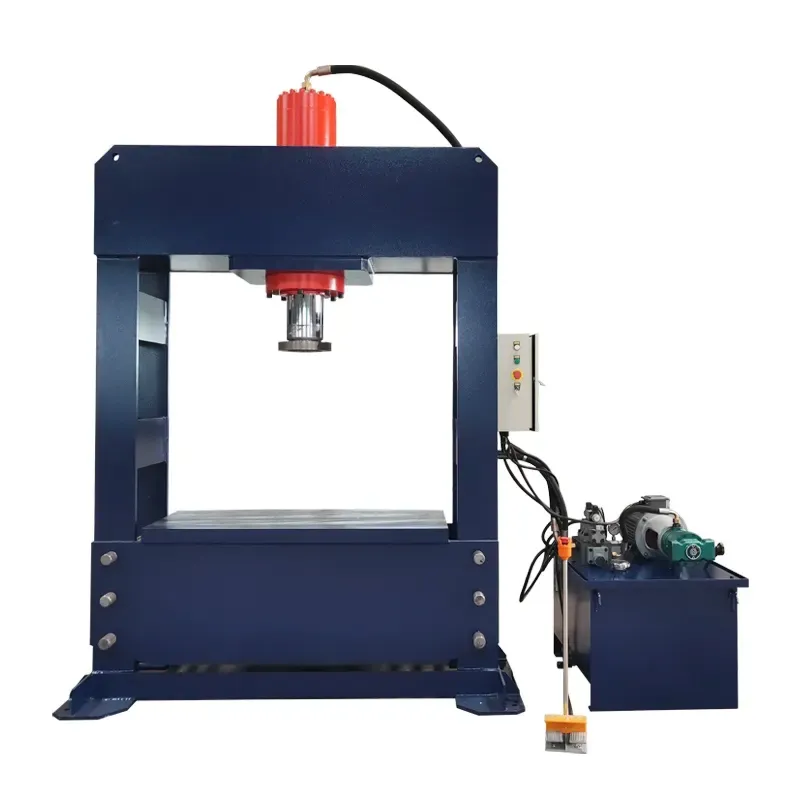
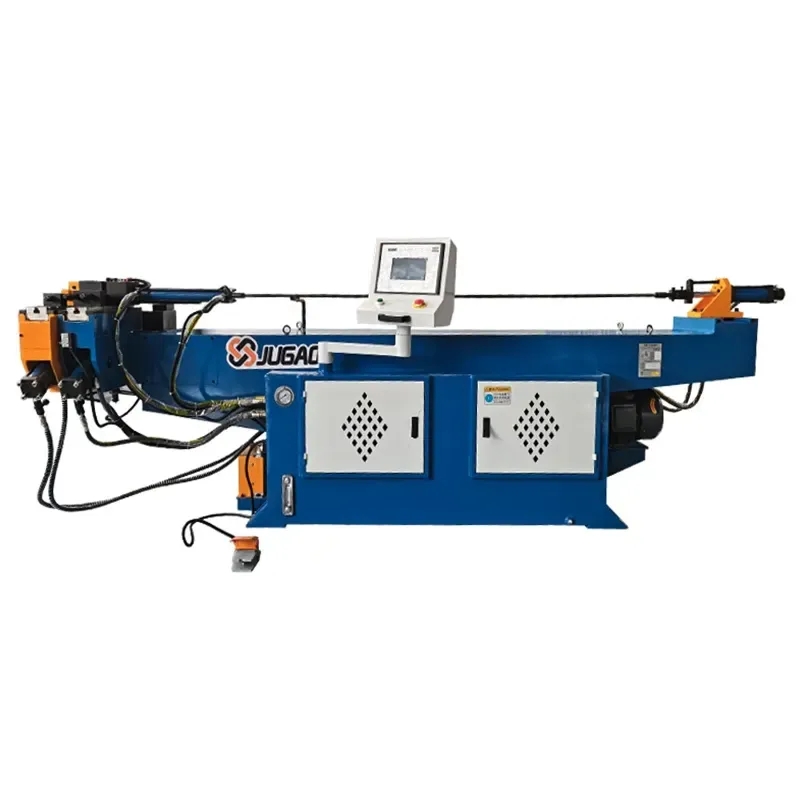
Pipe bending machine: Imported or locally produced, which is more suitable?
2026-08-26

I. Price: Imports are expensive, local is affordable
Imported pipe bending machines are expensive, mainly due to tariffs, transportation, and technical costs. A comparable machine imported might cost twice as much as a local one.
Local machines are more affordable, especially suitable for small and medium-sized factories with limited budgets. If your precision requirements aren't particularly high, or if you're just starting out with pipe bending, local machines allow you to start production at a lower cost.
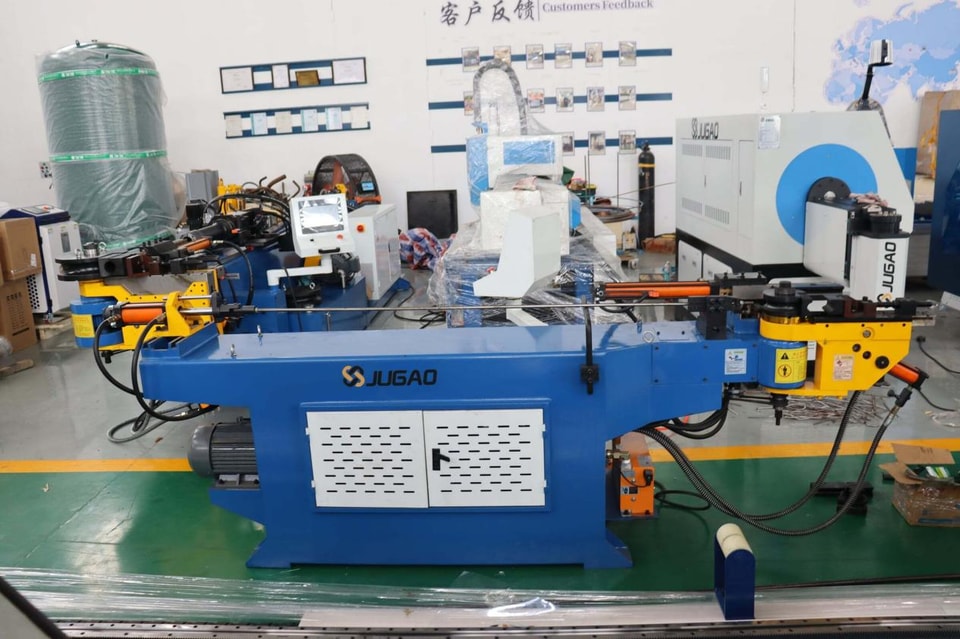
II. Precision and Technology: Imports are superior, local is sufficient
Imported pipe bending machines do have advantages in precision, automation, and control systems. Servo drives, automatic springback compensation, 3D simulation, and multi-axis linkage are technologies that imported models have more mature implementations in. Imported machines are widely used in industries with high precision requirements, such as automotive and aerospace.
Local machines have made significant progress in recent years and can handle routine pipe bending without problems. However, for thin-walled pipes, small-radius bends, and complex multi-bend pipe fittings, the stability and precision maintenance capabilities of local machines still lag behind imported machines.
III. Delivery Time: Imports are slow, local is fast
The delivery cycle for imported machines is typically two to three months or even longer. Production, shipping, and customs clearance—each step can consume time.
The advantage of locally sourced machinery is speed; from order to delivery, it may only take a few weeks. If you have urgent orders, need to replace existing equipment urgently due to malfunctions, or have a short project timeline, the speed advantage of locally sourced machinery is significant.
IV. Maintenance and Service: Imported machines are far away, locally sourced is closer.
Spare parts for imported machines need to be sourced from overseas, and service engineers may need to coordinate across borders. Minor issues may require waiting several weeks for parts, while major issues may require waiting even longer for engineers.
Locally sourced machinery has its spare parts and service network within the country, resulting in faster response times. Technicians can arrive on-site more quickly, and training is easier to arrange. This is crucial for situations where equipment malfunctions and a rapid return to production is needed.
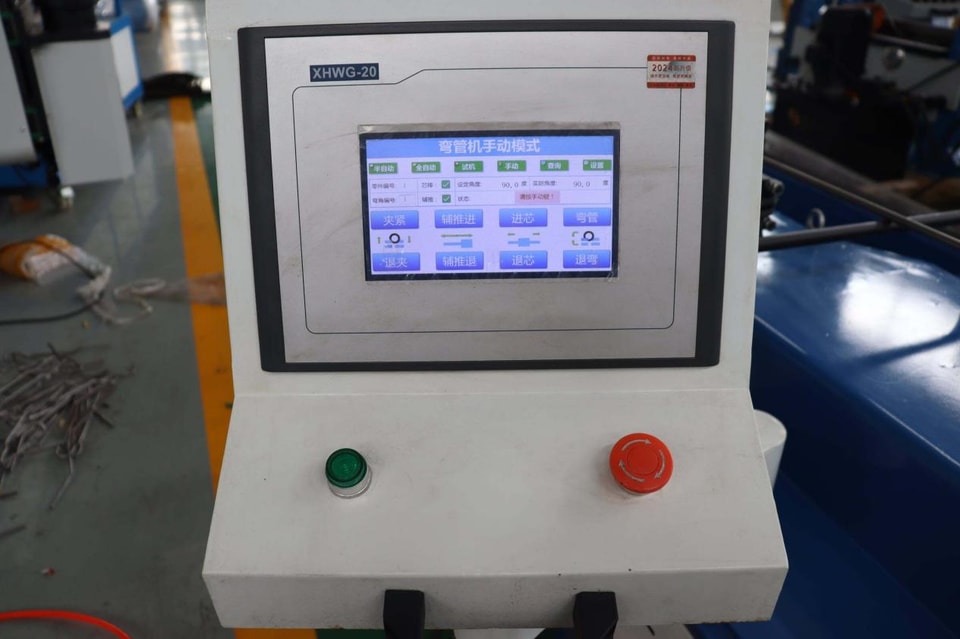
V. Customization: Imports Limited, Local Flexibility
Imported machines typically have globally standardized configurations, making modifications difficult. Local manufacturers offer greater flexibility—special mold configurations, control interface adjustments, and non-standard size customization are readily available, communication is much easier, and turnaround times are shorter.
VI. Durability and Resale Value
Imported machines generally have stricter material, processing, and quality control, resulting in a longer overall lifespan. Maintaining accuracy even after seven or eight years is more common with imported models. Imported brands also hold their value better in the used market, allowing for cost recovery when upgrading.
Local machines vary significantly in this regard, depending on the specific manufacturer's production capabilities.
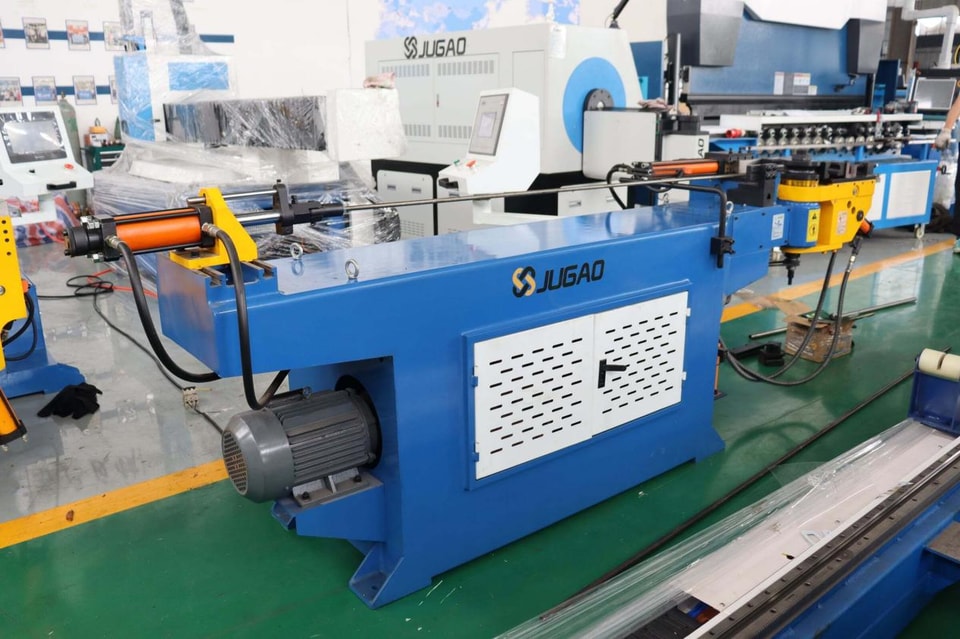
So how do you choose?
If the following conditions are met, imported machines are worth considering: high product precision requirements, large batch sizes, need for long-term stable operation of the equipment, and sufficient budget.
If the following conditions are met, local machines are more suitable: limited budget, tight delivery time, reliable local after-sales service support, and less stringent precision requirements.
Contact Us