
How to Prevent Laser Machine Vibration Effectively
2026-08-26

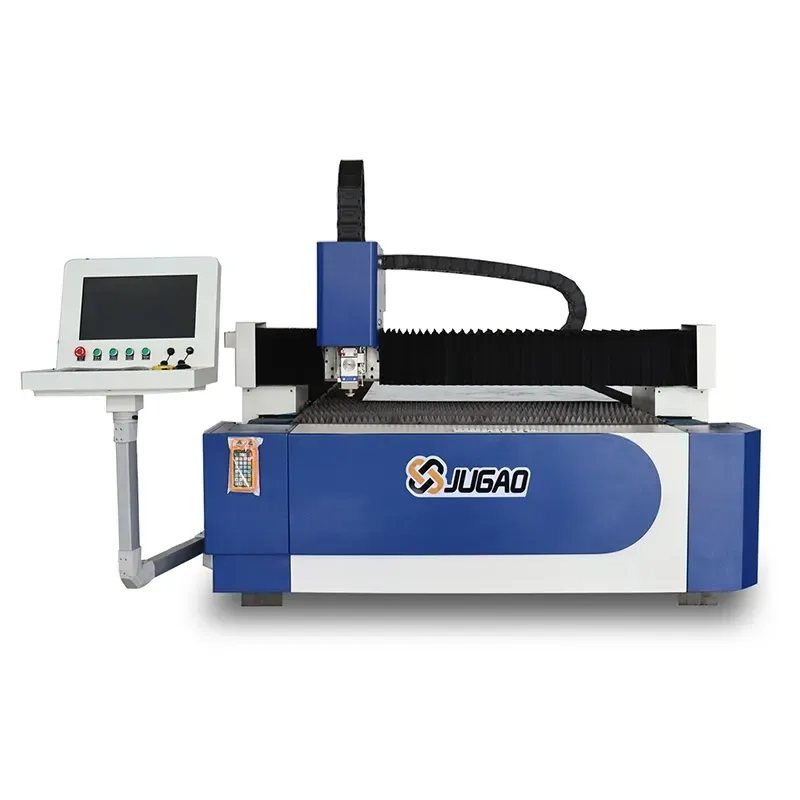
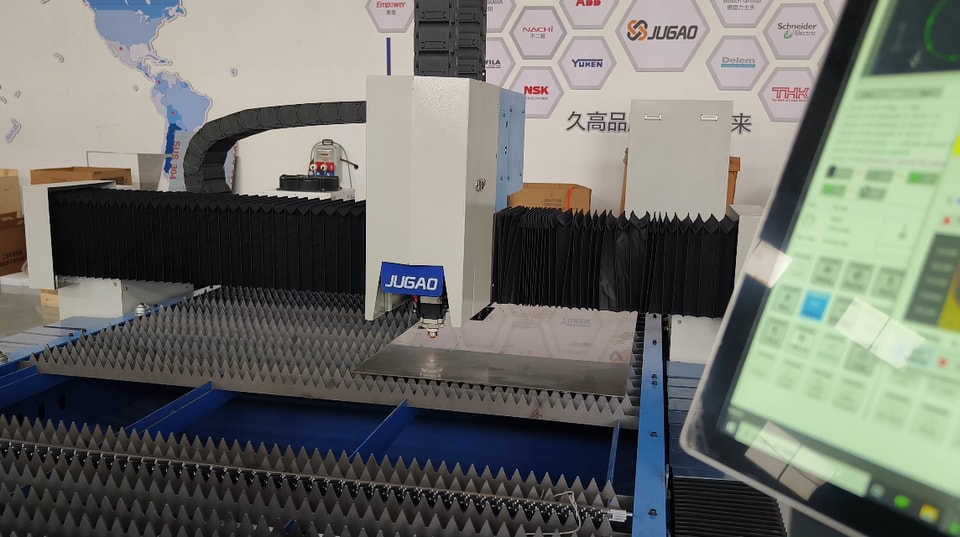
Excessive vibration can reduce the accuracy, stability, and service life of a laser cutting machine. During high-speed processing, even relatively small mechanical disturbances may affect positioning, edge quality, repeatability, and the smooth movement of the machine axes.
Effective vibration control therefore plays an important role in maintaining reliable laser cutting performance. The causes may come from worn bearings, loose or incorrectly aligned components, an unstable machine foundation, or unsuitable high-speed cutting parameters.
This guide explains the main sources of laser machine vibration and provides a practical six-step prevention procedure to help operators improve machine stability, reduce maintenance requirements, and maintain consistent cutting quality.
Understanding the Causes of Laser Machine Vibration
Imbalanced or Worn Bearings
Bearings that are worn, poorly lubricated, incorrectly installed, or out of alignment may create uneven movement. This instability can be transferred to the machine axes and become more noticeable during rapid motion or high-speed cutting.
Loose or Misaligned Components
Bolts, guides, rails, mounting plates, and other structural parts must remain secure and correctly positioned. Loose fasteners or alignment errors can amplify vibration as the gantry moves, reducing mechanical stability and cutting precision.
Uneven Floor or Machine Base
A laser cutting machine requires a firm and level foundation. If the floor or machine supports are uneven, the frame may rock or carry load unevenly, introducing vibration and reducing positional stability during operation.
High-Speed Cutting Parameters
Excessive feed rates, aggressive acceleration, or rapid deceleration can generate additional dynamic forces in the gantry and drive system. If the parameters exceed suitable operating conditions, vibration may increase and negatively affect repeatability and cut quality.
Step-by-Step Laser Machine Vibration Prevention Techniques
Step 1: Inspect and Maintain Bearings
Check linear and rotational bearings regularly for wear, lubrication condition, installation, and alignment.
Bearings should move smoothly without abnormal play, noise, or resistance. Apply the specified lubricant where required and replace damaged or heavily worn bearings promptly. Keeping the bearing system in good condition helps maintain smooth axis movement and prevents mechanical vibration from developing.
Step 2: Tighten and Align Structural Components
Inspect bolts, screws, guides, rails, gantry connections, and mounting components to make sure they remain securely fastened.
Use appropriate alignment and measuring tools to verify that rails, mounting plates, and gantry components are positioned correctly. Correct fastening and alignment reduce unwanted movement and help the machine maintain stable geometry during cutting.
Step 3: Level the Machine Base
Confirm that the laser machine is installed on a flat, rigid, and stable surface.
If the frame rocks or the support points carry uneven loads, adjust the leveling feet or use suitable leveling pads or shims. A properly leveled machine base provides a stable foundation and reduces vibration transmitted through the frame.
Step 4: Adjust Cutting Parameters
Cutting speed, feed rate, acceleration, and deceleration should be selected according to the material, thickness, machine capability, and production requirements.
Overly aggressive motion settings may increase gantry vibration. Optimize these parameters to achieve a balance between production efficiency and mechanical stability rather than operating at unnecessarily high dynamic loads.
Step 5: Implement Vibration Damping Measures
When additional vibration control is required, damping pads, vibration-isolation mounts, or suitable structural reinforcement can be used to reduce vibration transmission.
These measures can help absorb mechanical energy before it spreads through the machine structure. They are particularly useful for high-speed applications or installations where the supporting floor is less stable.
Step 6: Monitor Machine Performance
Regular monitoring makes it easier to detect abnormal vibration before it causes significant cutting or mechanical problems.
Where available, use built-in sensors, machine diagnostics, or dedicated vibration-monitoring devices to observe changes in operating behavior. Investigate unusual vibration, noise, or movement early so that the underlying cause can be corrected before further deterioration occurs.
Best Practices for Long-Term Vibration Control
Routine Maintenance Schedules
Establish daily, weekly, and monthly maintenance routines for moving and structural components. Regular lubrication, cleaning, fastening checks, and inspections help identify gradual wear before it develops into a vibration problem.
Operator Training
Operators should understand how machine setup, alignment, maintenance condition, and cutting parameters influence vibration. Proper training also helps personnel recognize abnormal machine behavior and report potential problems promptly.
Environmental Control
External vibration sources should also be considered. Nearby heavy equipment, unstable flooring, repeated impact loads, and significant environmental changes can contribute to machine instability. Reducing these external influences supports more consistent laser cutting performance.
FAQs
How often should bearings be inspected to help prevent vibration?
The source article recommends inspecting bearings weekly or adjusting the interval according to machine usage intensity. Lubrication and alignment should be included in these checks because poor lubrication or incorrect positioning can accelerate wear and increase vibration.
Can vibration affect laser cutting precision?
Yes. Even relatively small vibration can disturb positioning and alignment, which may contribute to rough cutting edges, inaccurate hole locations, reduced repeatability, and inconsistent finished-part quality.
Are vibration damping pads necessary for every laser machine?
Not always. However, damping pads or vibration-isolation mounts can be beneficial for machines operating at high speed or installed on less stable surfaces. Their necessity should be evaluated according to the installation environment and actual vibration condition.
Conclusion
Controlling laser machine vibration is important for maintaining cutting accuracy, stable operation, production efficiency, and long-term equipment reliability.
Regular bearing maintenance, secure and correctly aligned structural components, a level machine base, appropriate cutting parameters, suitable damping measures, and continuous performance monitoring can significantly reduce unwanted vibration.
Long-term results also depend on preventive maintenance, operator awareness, and control of external environmental factors. Addressing vibration early helps prevent unnecessary component wear, reduce maintenance costs, and preserve consistent cutting quality.
For additional guidance on laser cutting machine maintenance, troubleshooting, operation, or equipment selection, the JUGAO team can provide professional technical support and practical solutions for your production requirements.
Contact Us